Lower limb prostheses
The socket and alignment are central to a comfortable, stable and functional lower-limb prosthesis.
The major components of a lower-extremity prosthesis include the socket, with or without a liner; a suspension system; interposed joint components when needed; a shank or pylon; and a prosthetic foot. We believe the socket is the most important component because it forms the interface between the residual limb and the prosthesis.
The socket must protect the residual limb while appropriately transmitting forces during standing and walking. Its comfort and functionality depend greatly on the experience and attention of the practitioner. The second critical consideration is alignment—the geometric relationship of the prosthetic components in space.
How we select components
- Amputation level and residual-limb strength
- Contour and tissue characteristics of the residual limb
- Overall health, balance, strength and fitness
- Activity tolerance and relevant medical comorbidities
- Changes in residual-limb volume
- Cognitive, neurologic, sensory and visual considerations
- Expected function and intended use of the prosthesis
- Vocation, hobbies and recreational activities
- Cosmetic expectations
- Insurance coverage and financial considerations
Advanced component systems
We utilize prosthetic systems from leading European and U.S. manufacturers, including Otto Bock, Össur, Endolite and OWW. When appropriate, we use lightweight materials and advanced componentry to balance durability, weight, function and appearance.
Advanced technology: microprocessor knees
Microprocessor-controlled knees can offer individualized stance support and help users negotiate daily activities. Selection depends on clinical evaluation, mobility goals and functional needs.
Kenevo — stability-focused microprocessor knee
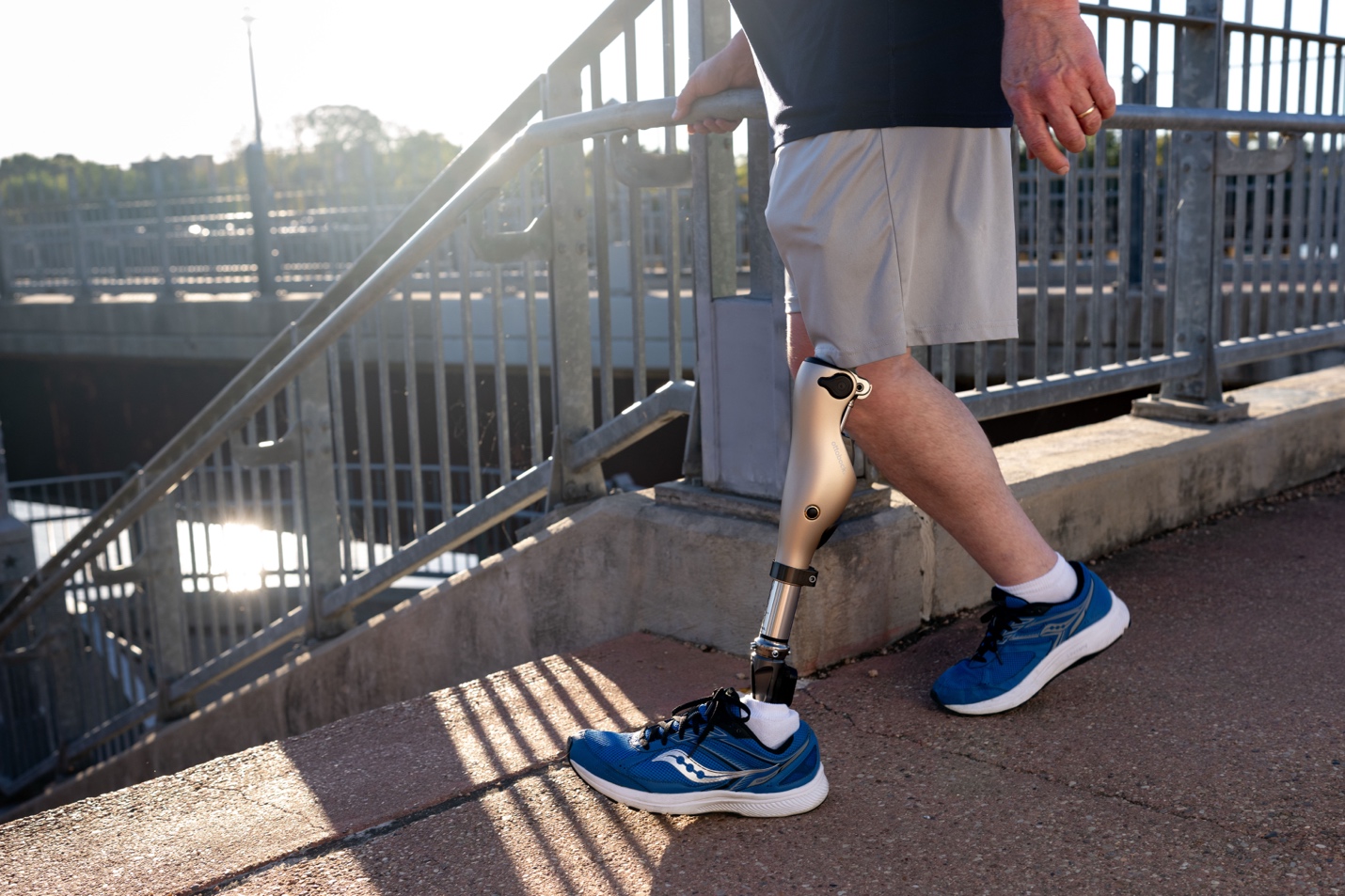
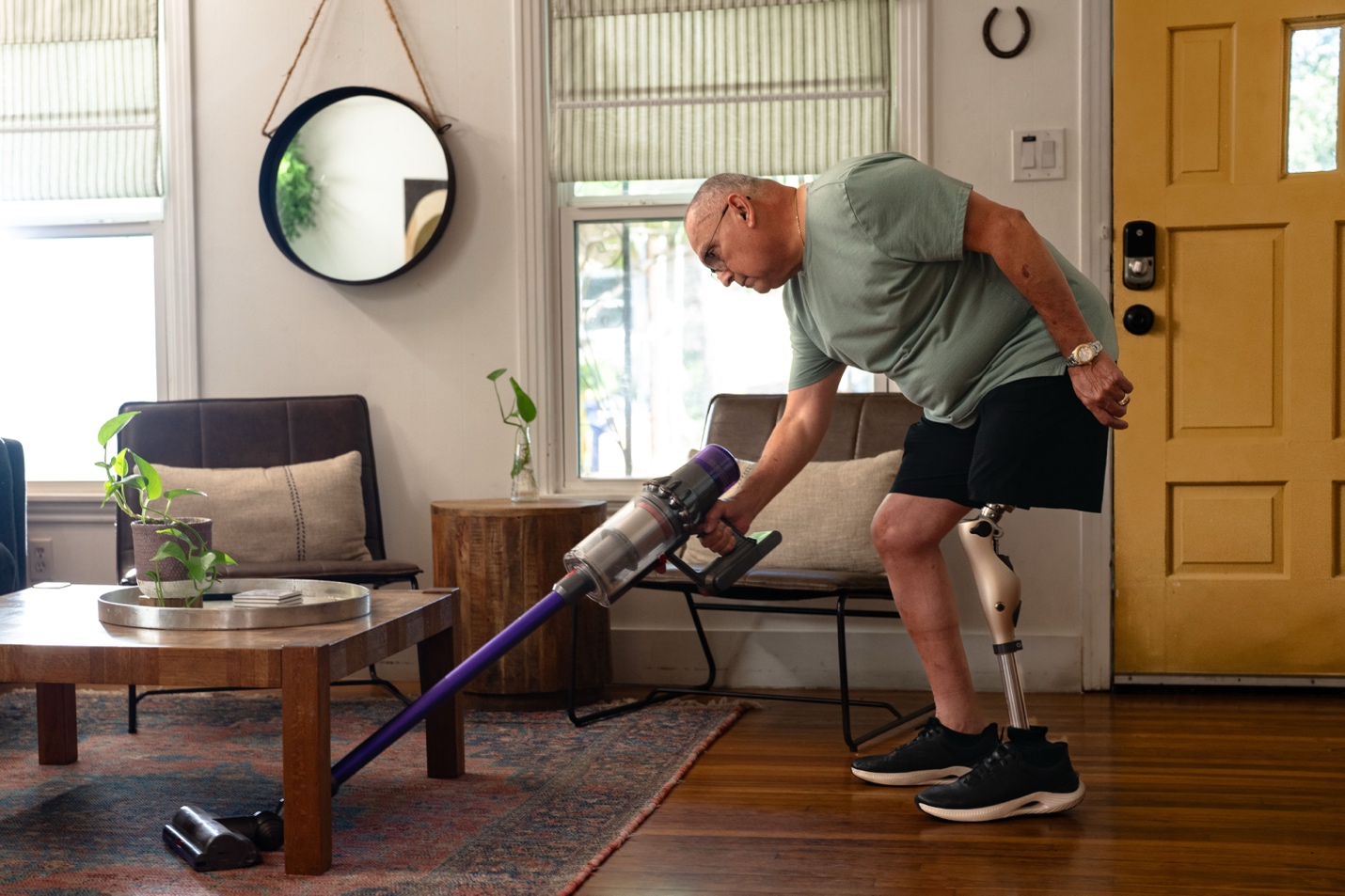
The Ottobock Kenevo is designed for people with mobility limitations who benefit from a high level of stability. Its clinician-selectable activity modes accommodate changes in mobility, with support for sitting down, standing up, navigating ramps and stairs, and recovering from a stumble.
- Three clinician-configured activity modes and intuitive stance support
- Stumble Recovery Plus, supported sit-to-stand, and wheelchair function
- Manual locking, stationary cycling and training feedback functions
- Inductive charging and selected user controls through the Cockpit App
- IP54 dust and splash resistance; mechanical components are not corrosion resistant
C-Leg 4 — adaptable everyday mobility
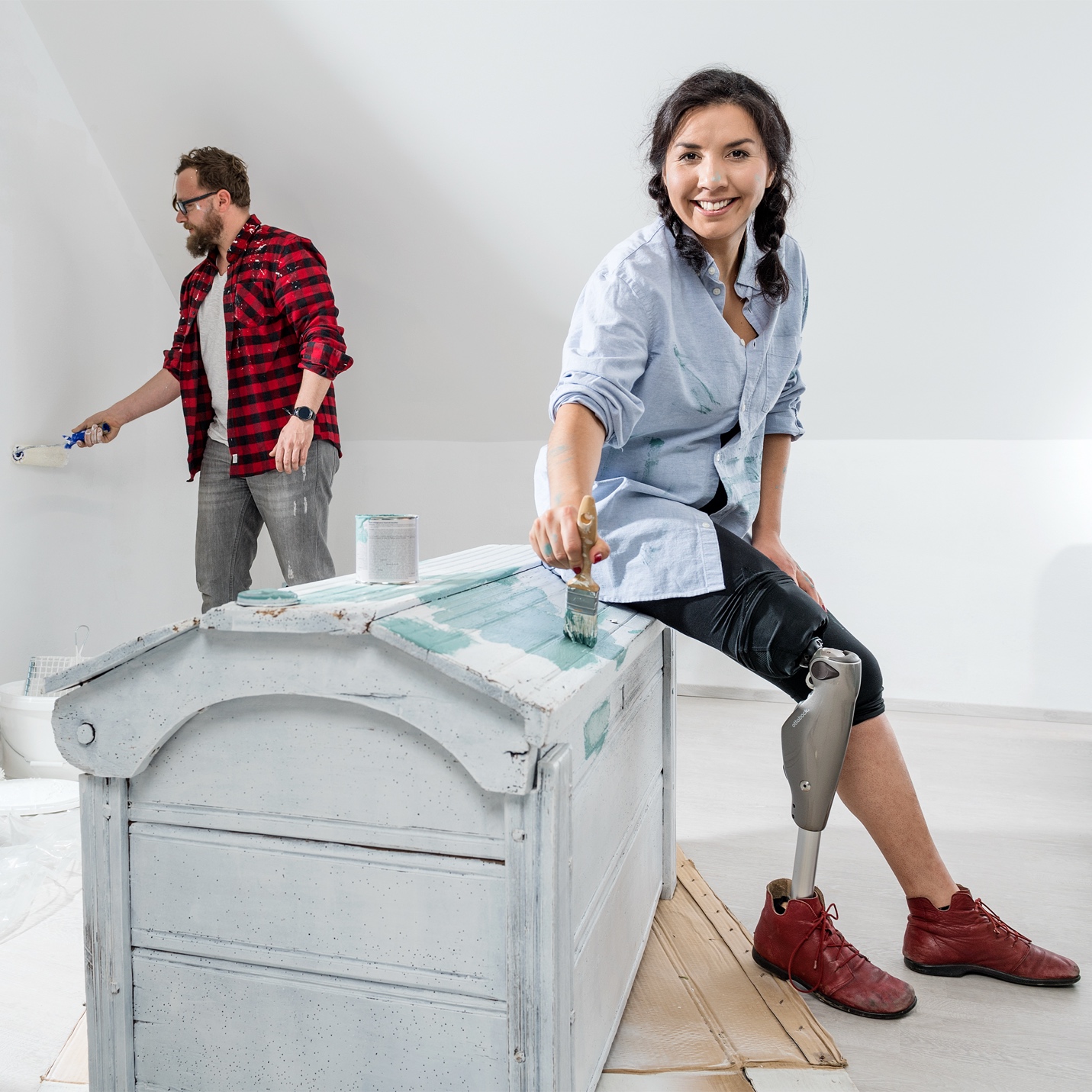
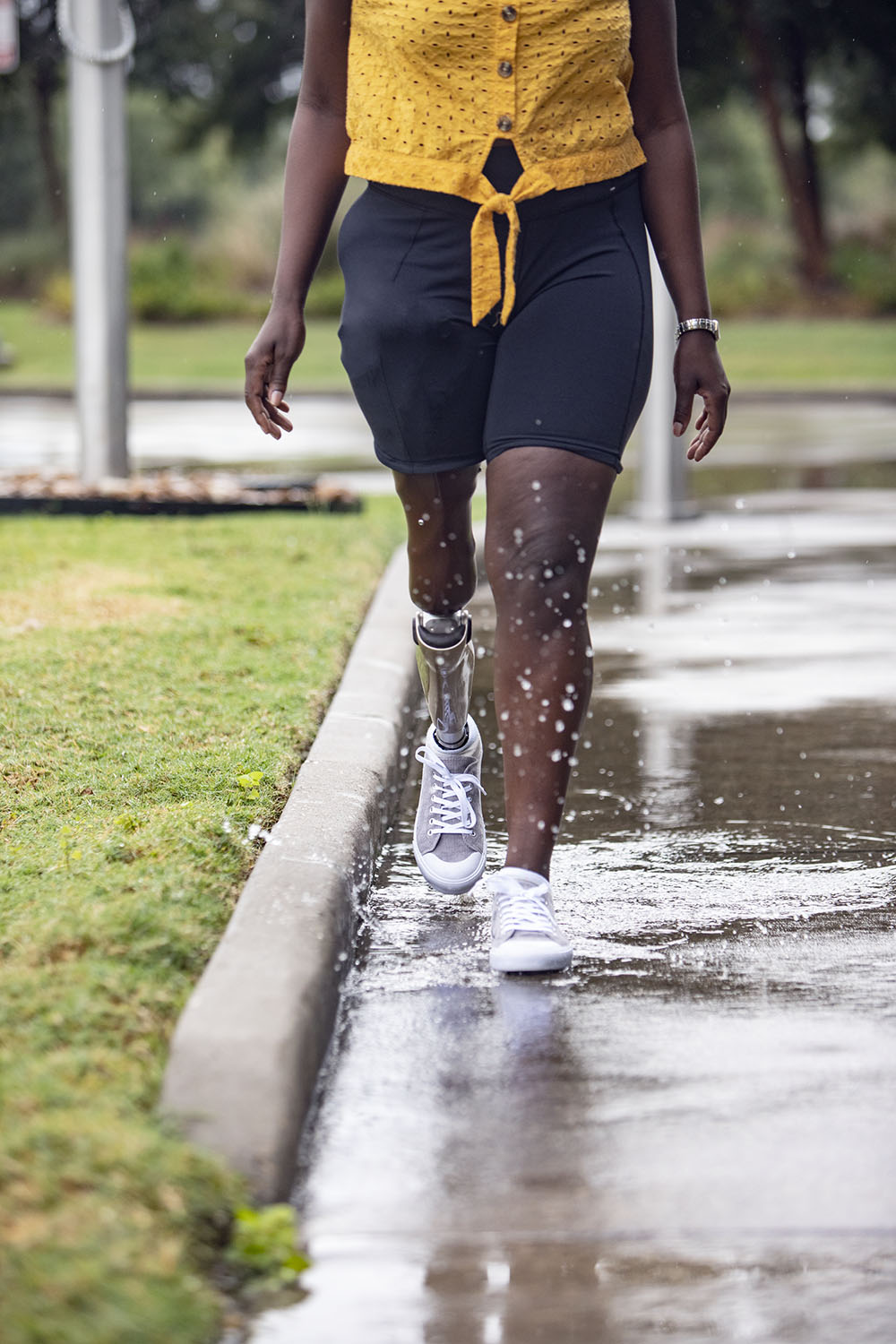
The Ottobock C-Leg 4 microprocessor knee dynamically adjusts stance and swing resistance to help users navigate uneven terrain, descend ramps and stairs, and walk backward. Its features support confidence in a variety of everyday situations.
- Stumble Recovery Plus and supported descent on ramps and stairs
- Improved stance release and assistance when sitting down
- Intuitive or deliberate stance options and MyMode Plus
- Manual locking, deep sleep mode and Cockpit App controls
- IP68-rated electronics; follow Ottobock guidance for water exposure and corrosion precautions
Features and suitability vary by configuration and individual clinical needs.
Photographs supplied in the website addendum. © Ottobock / respective rights holders. Confirm website reproduction permissions and required branding before public deployment.